
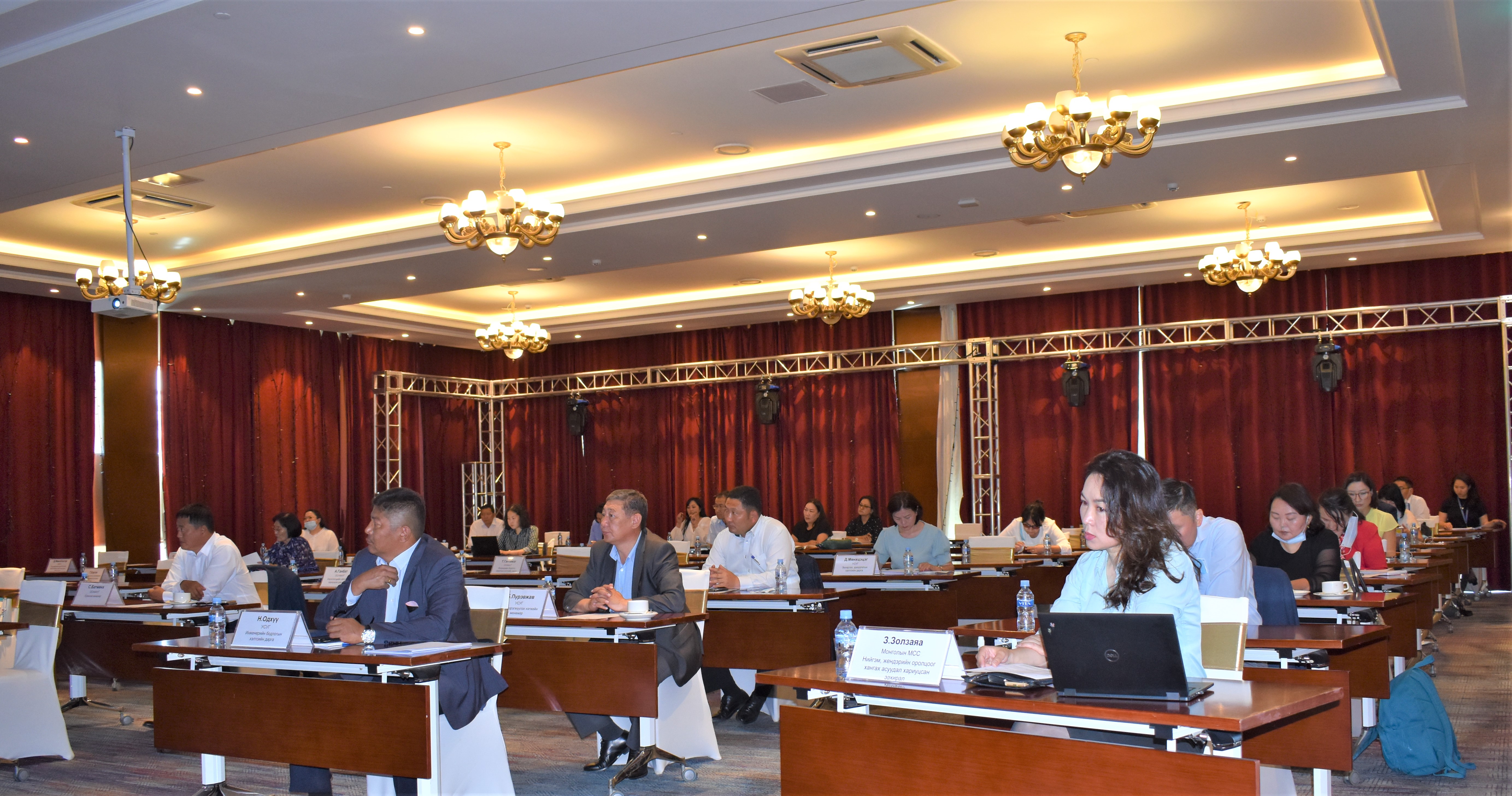
Улаанбаатар хот, 2020 оны 07 дугаар сарын 22 – Монголын Мянганы сорилтын хоёр дахь Компакт гэрээ хүчин төгөлдөр болоход Монгол Улсын Засгийн газрын зүгээс хүлээсэн үүргийн биелэлтийг хангах ажлын хүрээнд Улаанбаатар хотын ус хангамж, ариутгах татуургын үйлчилгээний өртгийг бүрэн нөхөх зорилго бүхий Зардал нөхөх төлөвлөгөөний төслийг хэлэлцүүлэх уулзалт 2020 оны 7 дугаар сарын 22-ны өдөр Новотел зочид буудлын хурлын танхимд боллоо.
Улаанбаатар хотын ус хангамж, хаягдал ус татан зайлуулах үйл ажиллагаа, засвар үйлчилгээ, элэгдлийн зардлыг бүрэн нөхөх Зардал нөхөх төлөвлөгөөг боловсруулж батлах нь Компакт гэрээгээр Монгол Улсын Засгийн газрын заавал биелүүлэхээр хүлээсэн урьдач нөхцөлүүдийн нэг бөгөөд эдгээр нөхцөлийг биелүүлснээр Компакт гэрээ хүчин төгөлдөр болж, улмаар АНУ-ын буцалтгүй тусламжийг авах эрх нээгдэх учиртай.
Зардал нөхөх төлөвлөгөөг боловсруулж, батлах Засгийн газрын энэхүү үүргийг биелүүлэхэд Хот, суурины ус хангамж, ариутгах татуургын ашиглалт, үйлчилгээг зохицуулах зөвлөл (Усны зохицуулах зөвлөл) чиг үүргийн дагуу гол үүрэг гүйцэтгэж, хариуцан ажиллаж Зардал нөхөх төлөвлөгөөний төслийг боловсруулаад байна.
Энэхүү төлөвлөгөөний төслийг салбарын мэргэжилтнүүдэд танилцуулж, хэлэлцүүлэх, санал авах зорилгоор Монголын Мянганы сорилтын сан болон Усны зохицуулах зөвлөл хамтран энэхүү уулзалт хэлэлцүүлгийг зохион байгуулсан юм.
Уулзалтад зохион байгуулагчдаас гадна Барилга, хот байгуулалтын яам, Улаанбаатар хотын Захирагчийн ажлын алба, Нийслэлийн Засаг даргын Тамгын газар, Нийслэлийн өмчийн ашиглалт, удирдлагын газар, Улаанбаатар хотын Ус сувгийн удирдах газар, Орон сууц нийтийн аж ахуйн удирдах газар, Хувийн хэвшлийн орон сууц, нийтийн аж ахуйн байгууллагуудын төлөөлөл оролцлоо.
Усны зохицуулах зөвлөлийн дарга Ж.Батсуурь уулзалтыг нээж хэлсэн үгэндээ, усны салбарын бодит байдалд тулгамдсан асуудлыг шийдвэрлэхэд Зардал нөхөх төлөвлгөөний гүйцэтгэх үүрэг, ач холбогдлыг онцолж, энэхүү ажлыг дэмжиж, оролцож буй салбарын тэргүүлэх мэргэжилтнүүддээ талархаж байгаагаа илэрхийлсэн бол Барилга, хот байгуулалтын яамны Нийтийн аж ахуйн бодлогын хэрэгжилтийг зохицуулах газрын дарга О.Лхагвацэдэн, энэхүү ажлын үр дүн нь зөвхөн Компакт гэрээ, Улаанбаатар хотоор хязгаарлагдахгүй, цаашлаад улсын хэмжээнд авч хэрэгжүүлэхүйц жишиг төлөвлөгөө байх болно гэсэн хүлээлттэй байгаагаа хэлсэн юм.
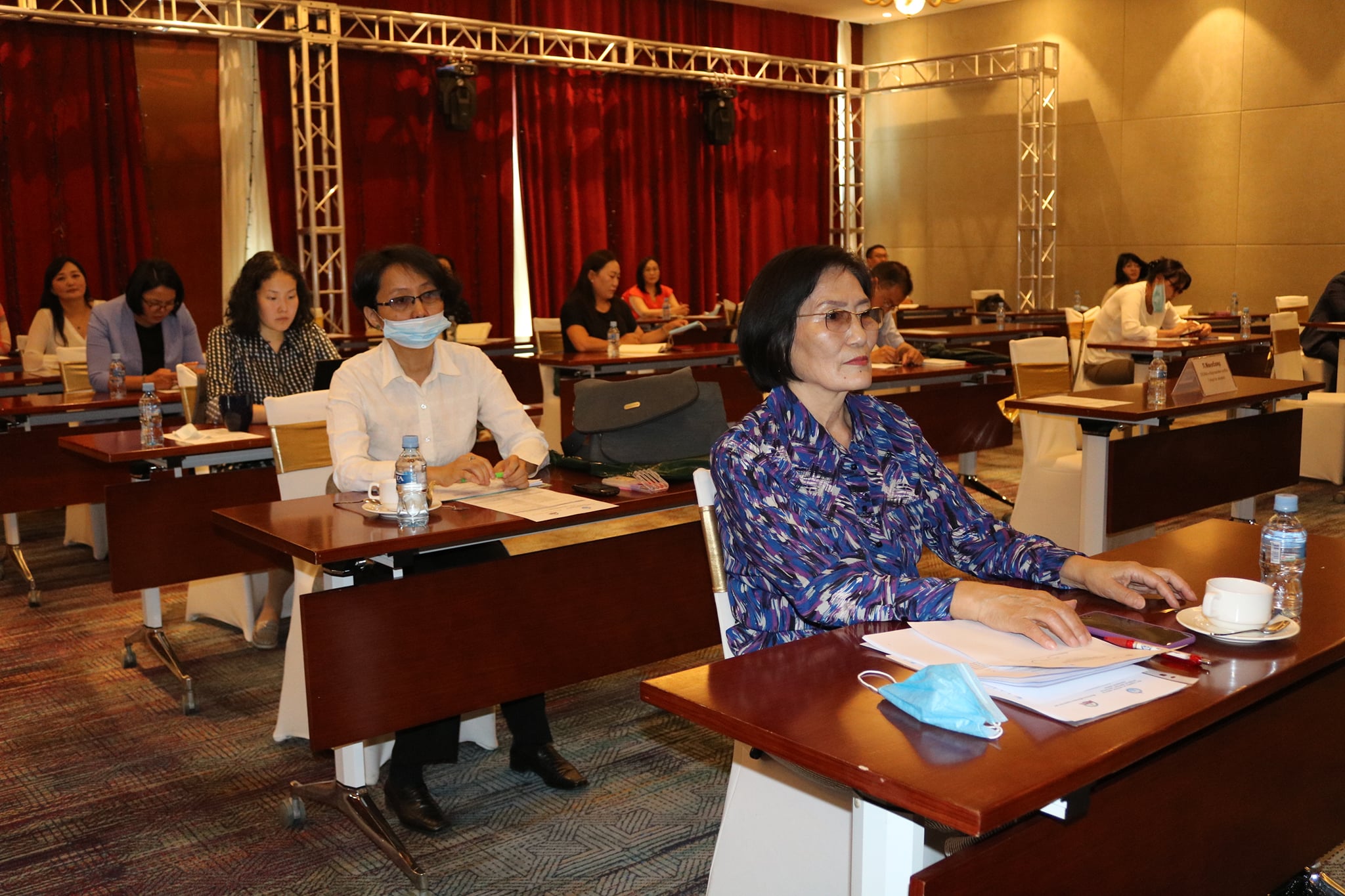
Уулзалтаар Монголын МСС-ийн Усны салбарын тогтвортой байдлыг хангах төслийн захирал Л.Өнөржаргал Мянганы сорилтын хоёр дахь Компакт гэрээгээр хэрэгжүүлэх төсөл, үйл ажиллагааны мэдээлэл өгч, Усны зохицуулах зөвлөлийн Үнэ тарифын албаны дарга Ж.Гэрэлчулуун ус хангамж, ариутгах татуургын үйлчилгээний өртгийг нөхөх төлөвлөгөө боловсруулж, хэрэгжүүлэх хэрэгцээ шаардлага болон салбарын үнэ тарифын бодлого зохицуулалтын талаар илтгэл тавьж, Зардал нөхөх төлөвлөгөөний төслийг танилцуулав. Үүний дараа Зардал нөхөх төлөвлөгөө боловсруулахад дэмжлэг үзүүлэн ажиллаж буй зөвлөхүүд салбарын үйл ажиллагаа, санхүү, эдийн засгийн дүн шинжилгээний үр дүнгээс танилцууллаа. Зөвлөх, гавьяат эдийн засагч Л.Лхамаасүрэн хувийн хэвшлийн орон сууц, нийтийн аж ахуйн конторуудад чиглэсэн судалгаанд төвлөрч ажилласан талаараа мэдээлэл өгч, харин зөвлөх, багийн ахлагч Л.Сурмаа судалгааны нэгдсэн дүнг танилцуулах үеэрээ Монгол Улсын усны салбарт хэдийнэ тогтсон дархлааг МСК-ын хөрөнгө оруулалтын тусламжтайгаар бэхжүүлээд авах энэ боломжийг бүрэн дүүрэн ашиглах хэрэгтэйг тэмдэглэн хэллээ.
Уулзалт хэлэлцүүлэг УСУГ-ын Инженерийн бодлогын хэлтсийн дарга Н.Одхүү “Улаанбаатар хотын Ус сувгийн удирдах газрын тогтвортой хөгжлийн стратеги-2030” сэдэвт илтгэлээр үргэлжилсэн юм. Тэрбээр ойрын жилүүдэд усны салбарт түүхэнд байгаагүй томоохон хөрөнгө оруулалт, бүтээн байгуулалтууд хийгдэхээр төсөл, хөтөлбөрүүд батлагдаж, санхүүжилт нь шийдэгдэн, түрүүчээсээ хэрэгжиж эхлээд буйг онцлон тэмдэглэв.
Мөн түүнчлэн Зардал нөхөх техникийн туслалцааны зөвлөх Маркус Напуд уулзалтад цахимаар оролцож, Улаанбаатар хотын ус хангамжийн тогтвортой байдлыг хангах Зардал нөхөхөд чиглэсэн техникийн туслалцаа, тэр дунд эмзэг бүлгийн хэрэглэгчдийг дэмжих хөтөлбөрийн талаар илтгэл танилцуулсан юм.
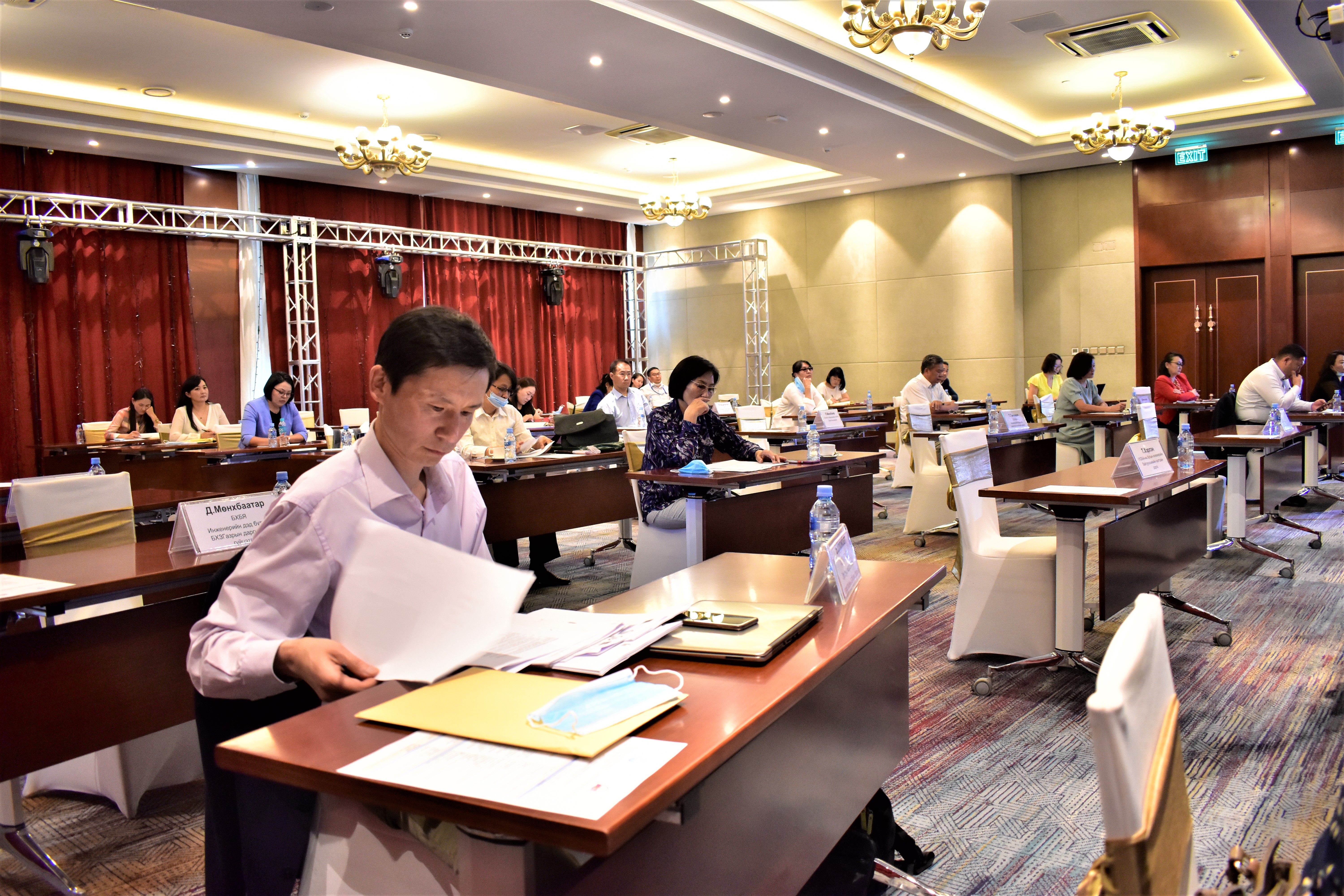
Уулзалтын төгсгөлд салбарын мэргэжилтнүүд сонирхсон асуултууддаа хариулт авч, санал хүсэлтээ илэрхийллээ.
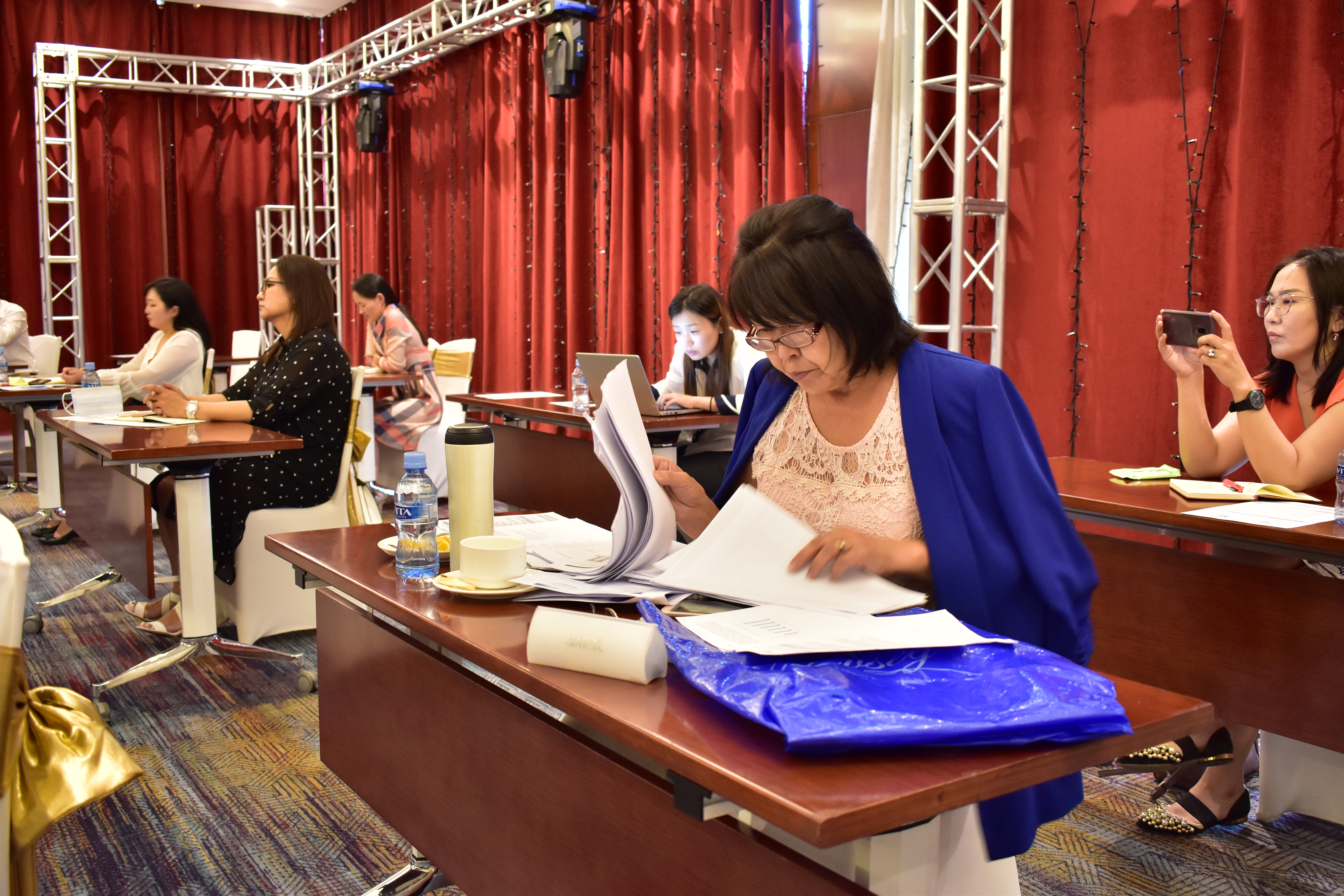
Усны зохицуулах зөвлөлийн дарга Ж.Батсуурь уулзалтыг хааж хэлсэн үгэндээ, энэ ажлын үр дүнд ус хангамж, ариутгах татуургын үйлчилгээний байгууллагууд урт хугацаанд тогтвортой үйл ажиллагаа явуулах нөхцөл бүрдэж, хэрэглэгчдийн маань сэтгэл ханамжийн баталгаа ч нэмэгдээсэй хэмээн хүсч байгаагаа илэрхийлээд, "Энэхүү Зардал нөхөх төлөвлөгөөг боловсруулан баталж, хэрэгжүүлснээр усны салбарт томоохон ахиц дэвшил гарах болно” гэдгийг дахин онцоллоо.
###
Монголын Мянганы сорилтын сан нь Монгол Улсын Засгийн газар болон АНУ-ын Мянганы сорилтын корпорац хооронд байгуулсан 350 сая ам.долларын дүнтэй хоёр дахь Компакт гэрээний хэрэгжилтийг хангах зорилгоор Монгол Улсын Засгийн газрын 297 тоот тогтоолоор байгуулагдсан улсын төсөвт үйлдвэрийн газар юм.
Мянганы сорилтын корпорац нь эдийн засгийн өсөлтийг дэмжих замаар ядуурлыг бууруулах зорилготой бие даасан АНУ-ын Засгийн газрын агентлаг юм. МСК нь 2004 онд байгуулагдсан ба авлигатай тэмцэх, ардчилсан эрхийг хүлээн зөвшөөрөх зэрэг сайн засаглалын нарийн хэм хэмжээг хангасан хөгжингүй орнуудад хугацааны хувьд хязгаартай тэтгэлэг болон туслалцааг үзүүлдэг. МСК-ын талаарх мэдээллийг www.mcc.gov цахим хуудаснаас харах боломжтой.